The short version
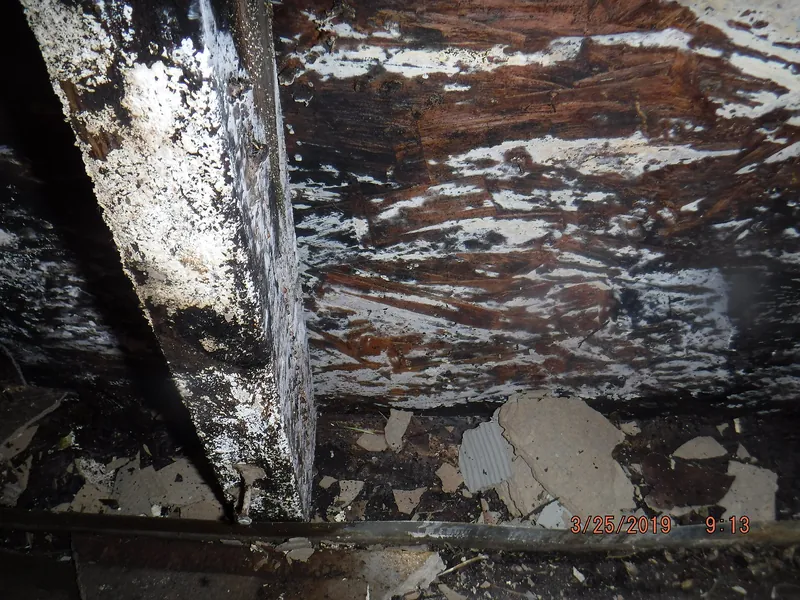
Water damaged floors in a Birmingham house call for three quick moves: shut the water off, get the standing water up and clear rugs and furniture, with photos along the way. Oak and other solid wood can flatten again; laminate seldom does; plank and tile can hide a wet layer. Meter readings settle what stays, inside an EPA drying window of 24 to 48 hours.
My floors got soaked. What should I do first to save them?
Stop the source, get standing water off and keep the floor from staying wet. With water damaged floors in Birmingham, the early hours matter most, since water slips into seams, board ends and the subfloor quickly. Close the valve, lift rugs and furniture off the wet area and photograph everything before anything is pulled up.
- Shut off the water. Close the fixture valve or the main, and turn off breakers for outlets near the wet floor while standing somewhere dry.
- Remove what is standing. A wet vacuum, squeegee and old towels pull water off the surface; a regular household vacuum is not built for water.
- Get things off the floor. Roll up area rugs and carry furniture out, or set legs on plastic or foil so they do not stain the boards.
- Photograph it as it is. Take wide shots of each room and close-ups of seams, baseboards and the leak source.
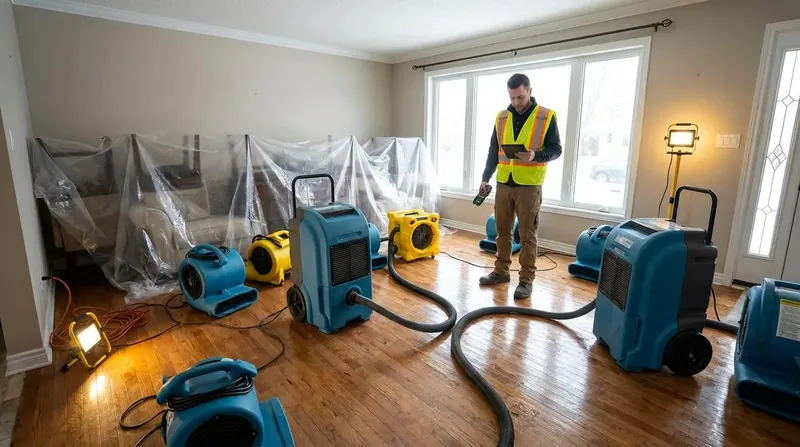
- Dry the air, not just the floor. Run the air conditioning or a dehumidifier with the room closed rather than opening windows on a humid day.
- Wait before sanding or replacing. Boards and subfloor need moisture readings and time before anyone calls them ruined.
Our parent page on structural drying in Birmingham explains how restoration teams dry floors, the subfloor and the framing beneath them.
Which wet floors can be saved and which have to come up?
The material, how long it stayed wet and how dirty the water was decide most cases. Solid wood often settles as it dries, tile usually stays when its base dries, and laminate with a fiber core tends to stay swollen. Carpet pad soaks up water like a sponge and is commonly replaced even when the carpet is kept.
| Floor type | What water does to it | Common outcome after a clean-water leak | Look at this first |
|---|---|---|---|
| Solid hardwood | Boards absorb water from below and their edges lift | Many floors flatten again with slow, measured drying | Moisture in the boards and the subfloor under them |
| Engineered wood | The wear layer can lift off its plywood base | Depends on the core and how many days water sat | Peeling or bubbling at the board ends |
| Laminate | The fiberboard core swells at the joints | Swollen pieces seldom return to shape | The foam underlayment and the floor below it |
| Luxury vinyl plank | The surface sheds water, but water seeps through the locking edges | Planks can often be lifted, dried and laid again | Water trapped on top of the subfloor |
| Ceramic or porcelain tile | The tile is fine; grout, thinset and backer board take on water | Usually stays once the layers beneath are dry | Hollow-sounding or cracked tiles and darkened grout |
Carpet has its own set of rules. The wet carpet page covers pad, tack strip and when wall-to-wall carpet can be dried where it lies.
Why are my hardwood boards cupping or buckling after a leak?
Wood swells as it absorbs water, and the side nearest the water swells most. When the underside is wetter than the top, each board's edges rise above its center, which is called cupping. If the swelling has nowhere to go, boards can push against each other and lift off the subfloor entirely, which is buckling.
Sanding a cupped floor flat while it is still wet causes a second problem. Once the boards finish drying, the centers can end up higher than the edges, a shape called crowning.
The Birmingham area has plenty of older housing. The Wikipedia article on Homewood says the Hollywood neighborhood was laid out as a residential subdivision starting in 1926, with many homes in the Spanish Colonial Revival style.
If your own floors are original solid wood that has been refinished before, every past sanding removed some of the wood above the tongue. That is one more reason to dry the boards slowly and fully. The topic on drying hardwood floors goes deeper into readings, timing and refinishing.
Is luxury vinyl plank waterproof if water gets underneath?
Each plank shrugs off a spill, yet the installed floor has hundreds of seams. A leak that finds those locking edges drains down between them and fans out over the subfloor, and with vinyl on top it has almost no route to dry out. A floor that looks fine on top can sit on a wet layer for weeks.
Signs of trouble include planks that feel soft or spongy, joints that separate, a musty odor and dark edges where the planks meet the wall.
Many floating plank floors can be taken apart. A restoration team can lift a section, dry the subfloor and any underlayment, and then the installer can click the planks back into place if they were not damaged.
Glued-down vinyl is harder to dry because the adhesive traps water underneath. Ask the restoration team how they plan to check moisture under the planks, since a surface reading alone can miss it.
If the water came from a dishwasher, fridge line or washing machine, the appliance leak page covers those sources.
What happens to tile and grout when water gets under them?
The tile itself barely reacts, but what holds it down does. Grout is porous, and water seeps through it into the thinset and backer board. If the subfloor under that is plywood or OSB, it can swell, soften and in time rot, which shows up as cracked tiles and hollow sounds when you tap them.
Tile floors in bathrooms and kitchens are the most common place for this, since showers, tubs, toilets and dishwashers all sit on or next to them.
A tile floor that sounds solid and has no cracked joints often dries in place once the leak is fixed. Tiles that rock, cracked grout lines and dark stains along the joints point to a wet or damaged base that may need opening up.
The page on bathroom and kitchen leaks explains how to trace the fixture that is feeding water under the tile.
Is the subfloor or crawl space under my floor still holding water?
You usually cannot by looking or touching, which is why restoration teams use meters. A pin meter reads moisture in wood, and a pinless meter scans across a surface for wet spots. Readings are compared with a dry area of the same house, and drying continues until the wet area falls into that range.
If your house sits over a crawl space, look from below with a flashlight. Dark, damp joists, wet insulation hanging down, standing water on the vapor barrier and a musty smell all suggest the floor above is still taking on moisture.
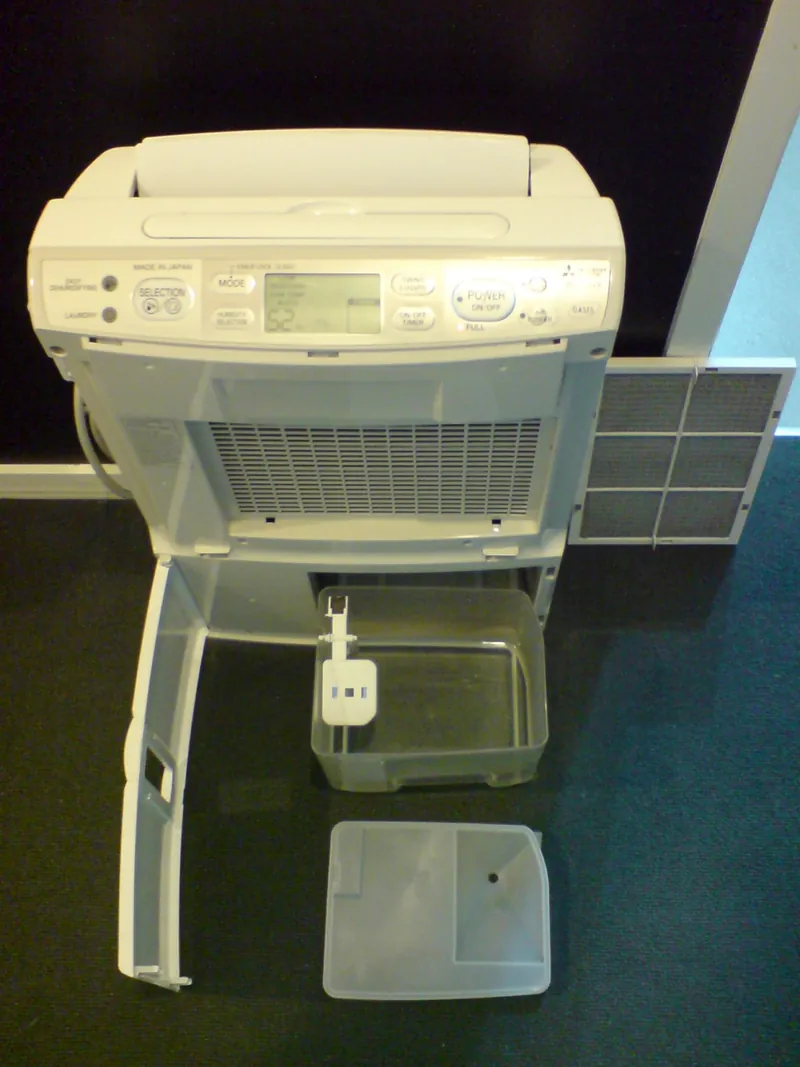

Rotted joists and subfloor are a structural problem, not just a drying one. If boards sag, bounce or feel soft underfoot, keep weight off them until someone looks from below.
Buyers looking at a house with stained or uneven floors can read the guide on water damage found in a home inspection before making an offer.
Do floors on a concrete slab or in a basement dry differently?
Yes, because concrete holds water and releases it slowly. Vinyl, laminate, carpet or wood laid over a slab can trap that moisture against the concrete, so a floor that looks dry may still sit on a damp base. Moisture readings in the slab and under the flooring tell you whether it is ready.
Basement floors often take water from below or from the walls, not only from a leak upstairs. If your lower level has a floor drain or a sump pit, check whether either one played a part before new flooring goes down.
Floating floors over a slab can often be lifted in sections so the concrete underneath can air out. Glued flooring and carpet with pad are harder, and both are commonly removed when the water was dirty.
The pages on sump pump failure and sewer backup cleanup explain the two usual lower-level sources.
Does Birmingham humidity slow down floor drying?
Yes, especially in summer. The Wikipedia article on Birmingham describes a humid subtropical climate with hot summers and high humidity. Damp outside air holds back evaporation, so opening windows to air out a wet room can bring in more moisture than it removes.
The EPA advises drying wet materials and furnishings in 24 to 48 hours to keep mold from growing. It also sets an indoor humidity goal of under 60 percent, and preferably 30 to 50 percent.
Keeping a wet room closed with the air conditioning and a dehumidifier running is usually more effective here than open windows and box fans.
A restoration team can set up air movers aimed across the floor surface and dehumidifiers sized for the room. The water mitigation page explains how that equipment limits damage, and the guide on mold after water damage covers spotting under flooring.
What happens to floors after a creek or basement flood?
Water from a creek, overland flow or a sewer backup is a different problem from a clean supply line leak. The IICRC S500 treats creek and river flood water, yard runoff and sewage alike as Category 3, the grossly contaminated class. Carpet, pad and other porous flooring it reaches is normally torn out, not cleaned.
The CDC advises removing carpet and upholstery that flood water soaked when there is no way to dry them right after the event. Hard floors that stay may still need cleaning and drying of the layers beneath.
Creeks in the city can rise above flood stage. National Weather Service records for Village Creek at Avenue W in Ensley set minor flood stage at 10 feet and list a crest of 14.57 feet on September 5, 2011.
The basement flooding page and the flood cleanup page cover what comes out of a lower level after that kind of water.
What do water damaged floor repairs cost in Birmingham?
No single price fits, because the floor type, the square footage and how much gets removed all move the total. National figures give a rough sense of scale: Fixr prices hardwood restoration between $10 and $15 a square foot, and carpet between $4.75 and $10.50 a square foot.
A smaller job can cost far less. For floor restoration, Bob Vila quotes $200 at the low end and $500 at the high end.
These are national ranges, not Birmingham quotes. Restoration teams differ in pricing and in what they include, so get written, itemized estimates and compare them line by line.
Drying in place usually costs less than tearing out and replacing, which is one reason to start drying early. The restoration cost guide breaks down the other parts of a typical bill, and the water damage repair page covers putting new flooring back.
Will homeowners insurance pay for water damaged floors in Alabama?
When a pipe or appliance leaks suddenly, often yes; when the floor was damaged by a slow leak or flood water, often not. Triple-I lists accidental discharge from plumbing and appliances as a named peril, excludes flood from standard policies and says damage from lack of maintenance is not covered.
Keep a sample of the damaged flooring and photos of every room before anything is thrown away. Triple-I advises against discarding damaged items until the adjuster has visited.
Under the Alabama Department of Insurance claim standards in Ala. Admin. Code r. 482-1-125, if an insurer needs more time after proof of loss, it must tell you why within that period, then update you 45 days after that notice and every 45 days while the investigation stays open.
The insurance claims guide covers the steps, and the guide to buying a water-damaged house helps if the floors were damaged before you owned the home.
Sources: Homewood, Alabama (Wikipedia), Hollywood subdivision history; Birmingham, Alabama (Wikipedia), climate; EPA brief guide to mold and moisture; IICRC S500, Category 3 water; CDC, removing soaked carpet; NWS, Village Creek at Avenue W flood stage and crest; Fixr, flooring restoration per square foot; Bob Vila, floor restoration range; Triple-I on which perils a home policy names; Triple-I on saving ruined items for adjusters; Ala. Admin. Code r. 482-1-125, status letters.