In brief
A contents pack-out in Birmingham photographs, tags and moves belongings out of a wet home so rooms can dry and each item can be judged. Glass, metal and sealed plastic usually come back; cushions, mattresses and paper soaked by sewage or creek water usually do not. Freeze wet papers, keep electronics unplugged, and ask early whether the restoration team handles contents.
What is a contents pack-out after water damage in Birmingham?
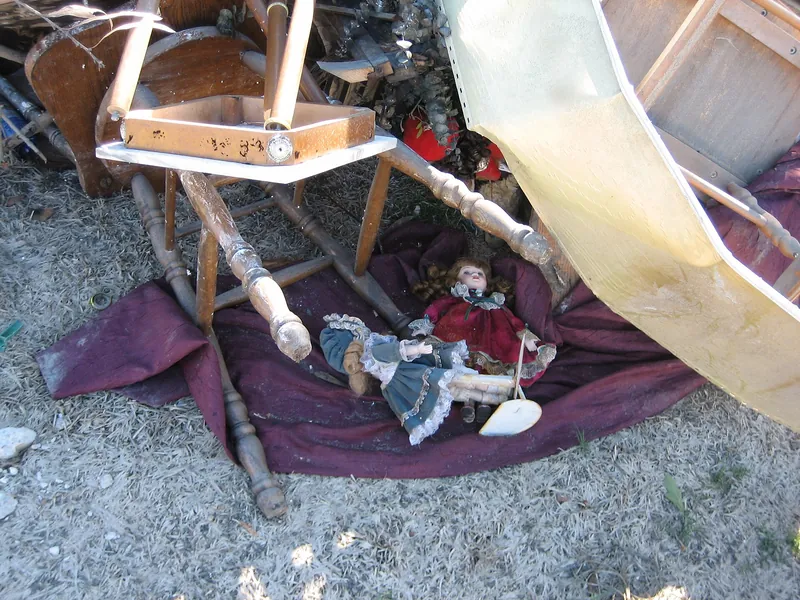
A contents pack-out in Birmingham means taking the furniture, boxes, clothing and keepsakes out of a wet home so they stop soaking up moisture and the rooms can be opened for drying. Each piece is photographed, numbered and moved to a dry place, then cleaned, dried or recorded as a loss.
Think of the loss as two separate jobs. The house itself (drywall, plaster, framing, subfloor) goes through water mitigation and then structural drying. The pack-out handles the second job, the things you own.
This website does not pack, truck or store anything. Local water damage restoration teams differ a great deal in whether they handle belongings at all, so ask the first time you talk.
When do belongings need to leave a wet house?
Not every leak calls for a move-out. A clean supply line leak found early may only mean lifting a sofa onto blocks and carrying boxes to a dry bedroom. Moving everything out is the better call if the water was contaminated, if flooring or wall material is coming out, or if soggy piles are holding moisture in the room.
Signs that point toward moving things out:
- Creek, yard or storm runoff came in, or dark water rose from a basement drain.
- Lower drywall or paneling has to be cut away, and crews need empty floor along the walls.
- Cardboard boxes sitting on a slab have gone soft and are wicking water upward.
- Heavy pieces such as a china cabinet or a safe block a wall that must dry on both sides.
Wet fabric and paper hold water against floors and walls. Under EPA guidance, wet rooms and belongings should be dry in 24 to 48 hours so mold never gets a start, with indoor air held below 60 percent humidity and a target range of 30 to 50 percent. Wikipedia describes Birmingham summers as hot with high humidity, which makes a room full of damp boxes slow to dry.
What happens to my things during a pack-out, step by step?
Expect six stages: photograph the rooms, sort items by likely outcome, tag and box them, move them, clean them by material, and bring them back after repairs. The list below is a framework for your questions. Each restoration team uses its own forms and software, so ask to see how theirs works.
- Rooms are photographed as found. Closets, shelves and floor piles are recorded before anyone lifts a thing.
- Items are sorted. Each one goes into a group: probably cleanable, needs a closer look, or probably a loss.
- Every box gets a number. The same number goes on the box label and on a line of the written inventory.
- Things are moved out. That might be a dry upper floor, a garage, a storage unit or a cleaning plant.
- Cleaning depends on the material. Hard goods, textiles, paper and electronics each take a different process.
- Items come back on a checklist. When the rooms are rebuilt, you tick off each box against the inventory as it is carried in.
Ask for a copy of the inventory the day the truck is loaded. If a vase comes back chipped or a box goes missing, that list is your record. Rebuilding the rooms is covered under water damage repair.
Which belongings can be cleaned and which are usually lost?
Hard, non-porous goods such as glass, metal and sealed plastic usually come through after washing and disinfecting. Soft, absorbent goods that sat in sewage or flood water are usually thrown out. The IICRC S500 standard rates a burst supply pipe as Category 1 and sewage or rising creek water as Category 3.
The table is a starting point only. Ask a specialist about heirlooms, artwork and costly pieces before you decide.
| Item | Clean water (Category 1) | Sewage or creek water (Category 3) |
|---|---|---|
| Plates, glasses, pots | Wash and dry | Wash, then disinfect before use |
| Lawn tools, bicycles, sports gear | Dry and oil metal parts | Disinfect hard parts; padded parts usually go |
| Stored cardboard boxes | Move contents to new boxes | Discard the box, then judge each item |
| Couches, recliners, mattresses | Sometimes saved if dried early | Seldom saved |
| Clothes, towels, curtains | Wash promptly | Ask a textile cleaner before washing |
| Books, photos, files | Air dry flat or freeze | Keep only what cannot be replaced |
| Food, pills, cosmetics | Check every seal | Throw out anything the water reached |
Dirty water also changes who should handle the job. For sewage or other contaminated water, the EPA recommends hiring a professional who has handled that kind of building damage before. For the structure, see sewer backup cleanup and flood cleanup.
How do you save wet photos, documents and books?
Pull paper out of the water first, then sort it: things you can throw away, things worth copying, and things that need freezing. The EPA water damage table lays out exactly those choices: toss papers you do not need, copy the important ones before letting the wet originals go, and send valuable items to a freezer or to freeze-drying.
The same table names a frost-free freezer or a meat locker for that step. Freezing buys time, so a stack of soaked letters or a family Bible can wait while you find a conservator.
- Hold wet prints by their edges and keep fingers off the image.
- Do not peel apart pages or photos that have stuck together.
- Lay papers flat in zip-top freezer bags labeled with a marker.
- Pull out property titles, wills, passports, insurance papers and tax files, and tell the crew where they are.
Some restoration teams send documents to an outside drying company. Ask who that is and how you can track each bundle.
Can upholstered and wood furniture be dried out?
Solid wood often survives a clean-water leak if it dries slowly and evenly, but upholstered pieces are harder. The EPA table warns that a sofa or armchair may not dry all the way through in 48 hours, and it points owners of valuable pieces to a restoration specialist who works on furniture. Cushions that soaked up sewage are rarely kept.
The CDC flood advice is to take out carpet and upholstered pieces that got soaked and will not dry quickly. Foam and batting trap whatever was in the water, so a chair that sat in a flooded basement is usually a loss.
For wood, the EPA lists dehumidifiers, gentle heat and fans, with a caution about heat on hardwood. Forcing a veneered dresser dry can lift the veneer or loosen glued joints, so ask how drying will be paced.
Area rugs travel with the contents. Installed carpet is treated as part of the building; see wet carpet cleanup. If a sour smell lingers later, read mold after water damage.

Should you plug in a TV or appliance that got wet?
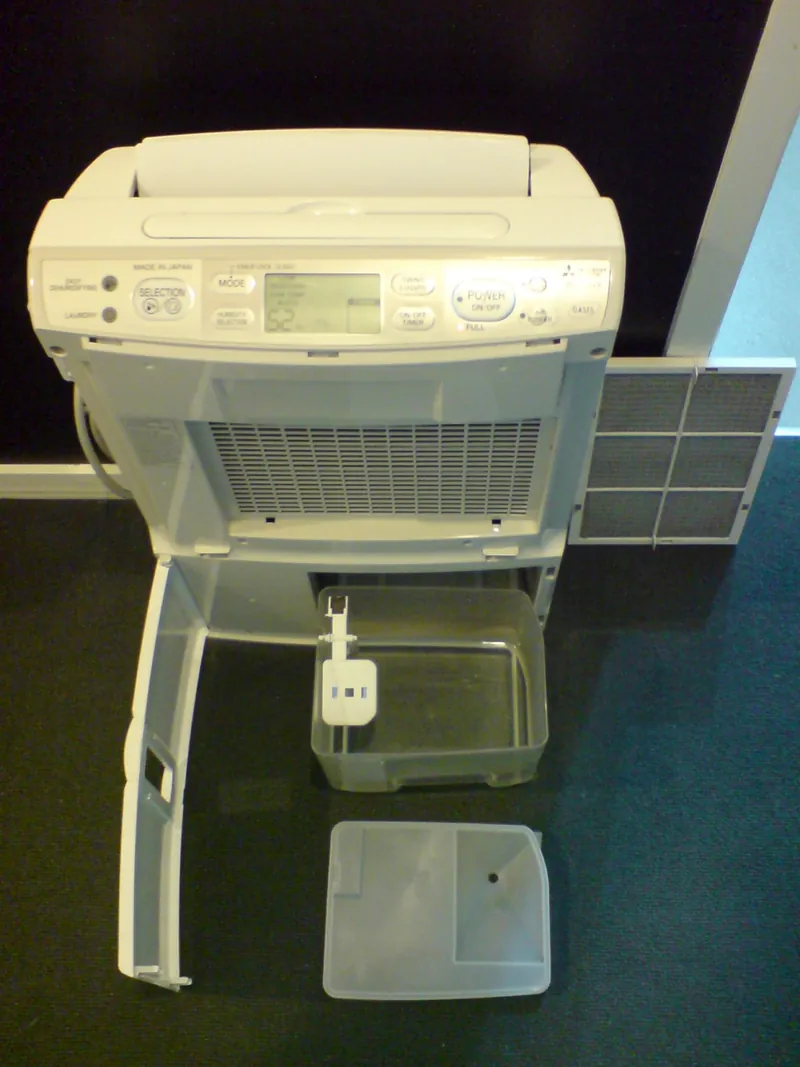
No, not until a qualified repair technician has opened it and cleared it. Moisture lingers on circuit boards and inside motors long after the case looks dry, and switching it on early can short what the water spared. Wet outlets, cords or a wet breaker panel need an electrician before anything else.
Basements and garages often hold the washer and dryer, a spare refrigerator or a chest freezer. Before anything is hauled away, photograph the data plate with the model and serial number. An adjuster may ask for it, and an appliance already at the landfill is hard to document.
If an appliance caused the leak, read appliance leak water damage. A failed tank is covered on water heater leaks.
What will an Alabama adjuster ask for on a contents claim?
Plan on photos, an itemized list and any receipts you can find, gathered before items are cleaned or discarded. Photos or video of the damage, receipts for out-of-pocket costs, and damaged items held back for the adjuster all appear on the Triple-I list of claim tips. Your pack-out inventory can double as much of that list.
- List each item with its rough age and what a replacement would cost.
- Take close-ups of labels, model plates and serial numbers.
- Ask the adjuster before large items leave, and keep a swatch of carpet or upholstery if asked.
- Store the photos, receipts and list together, with a backup copy.
Alabama sets claim-handling timelines in Ala. Admin. Code r. 482-1-125. Once notified of a first-party claim, an insurer has 15 days to acknowledge it, unless payment is made inside that window. Under rule 482-1-125-.07, you are told whether the claim is accepted or denied within 30 days after proofs of loss, or the period your policy sets.
If the insurer needs more time, it must say why, then update you every 45 days while the investigation stays open. More on this is in the insurance claims guide.
Does insurance pay for packing, cleaning and storage?
If the policy covers whatever caused the water, packing, cleaning and storage costs often ride along in that same claim, capped by personal property coverage. Per the NAIC, a homeowners policy typically pays for water from the home's own pipes or a leaking roof, but not for ground water or rain runoff.
Flooding follows other rules. Triple-I notes that standard homeowners and renters policies exclude flood damage, and that sewer backup cover is a separate endorsement.
With an NFIP flood policy, belongings sit under their own limit. FloodSmart lists contents coverage of up to $100,000 for a single-family home. FEMA's manual sets a 30-day waiting period, with limited exceptions, before a new NFIP policy takes effect.
Ask for an estimate that prices packing, cleaning and storage as separate lines. That makes it easier to match each charge to the right part of your policy.
What should you ask a restoration team about handling your belongings?
Four answers cover most of it: who does the packing, where your things will be kept, who is responsible for breakage or loss, and when you get the written inventory. Some restoration teams clean and store belongings themselves, others hand that work to a partner, and some only work on the building.
- Does your own staff pack, or another company? Which one?
- Where is the storage building, and is it climate controlled through an Alabama summer?
- Who pays if something breaks in transit or goes missing in storage?
- Can packing, cleaning and storage appear as separate prices?
- Will you get my written approval before throwing anything away?
A longer checklist is in choosing a restoration company. This page does not claim that any given restoration team offers contents work.
How can Birmingham homes store belongings to limit the next loss?
Keep stored things off the floor and away from the places water arrives first. Birmingham sits in Jones Valley, which Wikipedia says is drained by Village Creek and Valley Creek. When those creeks rise, low basements and garages near them can take water, and stored boxes on the slab take it first.
The National Weather Service gauge on Village Creek at Avenue W in Ensley lists minor flood stage at 10 feet and a highest listed crest of 14.8 feet on December 3, 1983.
- Use metal or plastic shelving so nothing rests directly on concrete.
- Trade cardboard for lidded plastic bins with latches.
- Leave open space around the floor drain, sump pit, water heater and washer.
- Keep photo albums and legal papers upstairs in a waterproof box.
Causes of lower-level water are covered on flooded basements, and creek history is on Birmingham flooding.
What can you move safely while you wait for a callback?
Three jobs are worth doing: lift dry valuables out of harm's way, record what is already damaged, and keep away from live wiring and sewage. If a pipe or appliance is the source, shut off the water first. Keep children and pets in another part of the house until the area is safe.
- If the breaker panel sits somewhere dry, shut off the circuits feeding the wet rooms; if it does not, leave that to an electrician.
- Put on rubber boots, gloves and goggles before stepping into water, as the CDC advises.
- Walk each room with a slow video, then take still photos of damaged items.
- Carry laptops, medications and important papers to a dry floor.
- Rescue photo albums next, and freeze any that are wet.
- Stack ruined items in a garage or carport for the adjuster, not at the curb.
Towns and counties in the area are listed on the service areas page. Terms such as Category 3 are defined in the glossary, and an active leak belongs on the page for emergency help with a leak in progress.
Sources: EPA brief guide to mold and moisture; EPA Table 1, papers and upholstered furniture; EPA cleanup guidance for sewage and contaminated water; IICRC S500 standard (category definitions); CDC mold and health page (flood cleanup); Triple-I, settling claims after a disaster; Triple-I, disasters homeowners policies cover; NAIC consumer guide to homeowners insurance; Ala. Admin. Code r. 482-1-125-.06 and 482-1-125-.07; FloodSmart NFIP contents limit; FEMA NFIP manual, waiting period; NWS gauge ENSA1, Village Creek at Avenue W; Wikipedia on Birmingham's climate and Jones Valley.