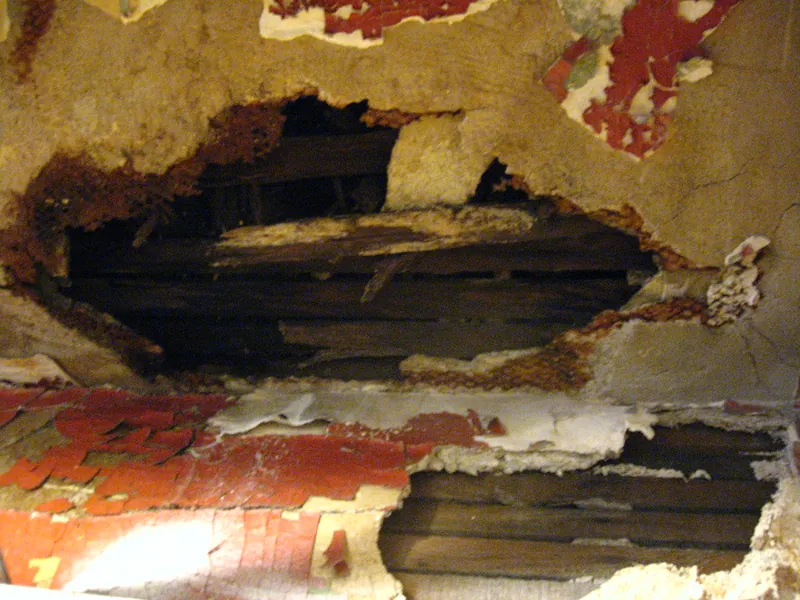
For Downtown and Southside
For water damage downtown Birmingham, shut off the fixture or main, tell building management if you share walls, photograph everything and start drying. The EPA drying window is one to two days, so do not let it sit. Creek water needs flood coverage. Five ZIPs are covered: 35203, 35205, 35222, 35233 and 35294.
Which Downtown and Southside addresses do you take requests from?
Requests about water damage downtown Birmingham and in Southside come from five ZIP codes: 35203 Birmingham, 35205 Birmingham, 35222 Birmingham, 35233 Birmingham and 35294 Birmingham. The last of these, 35294, is a PO box or single-organization ZIP, so share the street address of the building where the water actually got in.
Birmingham is the Jefferson County seat and counted 200,733 residents in the 2020 census, per Wikipedia. Its center is the oldest planned part of the city: the Elyton Land Co. laid out 1,160 acres before a single building stood, with Twentieth Street as the spine running from Capital Park south toward Red Mountain.
Next door, this site also has pages for Avondale and East Lake, the West End and Ensley and Homewood and Mountain Brook over Red Mountain. The full list of service areas and the ZIP code lookup cover everything else.
Does downtown Birmingham flood?
Low parts of it can. Wikipedia says the city fills Jones Valley, which Village Creek and Valley Creek drain toward the Black Warrior River. The National Weather Service gauge on Valley Creek at Center Street, west of the city center, marks minor flooding at 11 feet and moderate flooding at 14.5 feet.
| Valley Creek stage (VALA1) | What the NWS says happens | Recent crests at or above it |
|---|---|---|
| 11 ft, minor flood | Water spills over the south bank and nears the road south of the bridge at about 11.5 ft | 12.89 ft on Sept. 15, 2024; 12.17 ft on July 24, 2024; 12.17 ft on Sept. 4, 2022 |
| 14.5 ft, moderate flood | Water starts over the south side of the bridge | None listed |
| 17 to 18 ft | Water reaches toward the railroad tracks just north of the bridge | None listed |
All three crests on the NWS gauge page fell in July or September, the months of summer thunderstorms and the odd tropical storm in Wikipedia's account.
The original plan also ran a railroad reservation east to west through the middle of town, with underpasses carrying streets beneath the tracks. Keep out of any that hold water: per Ready.gov, moving water just six inches deep is enough to knock you down, and 12 inches of it can carry off a vehicle.
When Valley Creek water reaches a floor, the IICRC S500 standard classes it as Category 3 water, the grade reserved for sewage and outdoor flooding. The flood cleanup page covers what follows.
How does Red Mountain affect water damage on the Southside slopes?
Rain runs downhill, and Red Mountain rises immediately south of downtown, Wikipedia notes. Twentieth Street climbs from the city center into the mountain's slopes. A building on that grade collects runoff from the lots above it, and any room cut into the hillside can take water through its walls, its floor joints and its window wells.
The Red Mountain article describes a long ridge of hard rock seamed with red iron ore, mined for decades, with the last ore mine on the mountain closing in 1962. It also says Redmont Park, just southeast of downtown, was developed in the 1920s as a home for the city's early bankers and industrialists.
If your house on the mountain has a lower floor set into the slope, these checks matter before the spring storm season:
- Extend downspouts so roof water lands well away from the uphill wall.
- Watch where water sheets across the yard in a heavy rain, and note where it pools against the house.
- Keep window well covers on and the well drains clear of leaves.
- Pour a bucket of water into the floor drain now and then so its trap stays full and you know it runs.
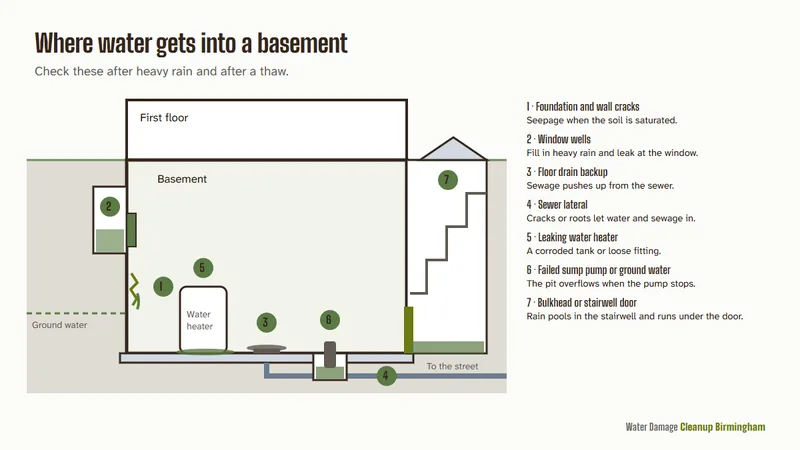
Once a hillside room has taken water, read our page on basement flooding. If a pump in the pit quit during the storm, start with what to do after a sump pump failure.
What happens when water leaks between floors in a downtown condo or loft?
It rarely stays in one unit. A supply line, toilet, water heater or washer on an upper floor can soak the ceiling and walls of the home below, sometimes two floors down. Building management, the owners association and each owner may each answer for a different part of the damage and the repair.
Wikipedia reports that the city center grew into a grid of mid-rise and high-rise buildings in the early 1900s, and that the City Center Master Plan argues for more people living downtown. In a stacked building, the first job is finding which unit or which pipe the water came from.
- Tell management or the association in writing, with the time you first saw water.
- Ask the neighbor above to shut off the fixture or their unit valve, if they can do it safely.
- Photograph your ceiling, walls and floors before anything is moved.
- Renters should notify the landlord and check their own renters policy for belongings.
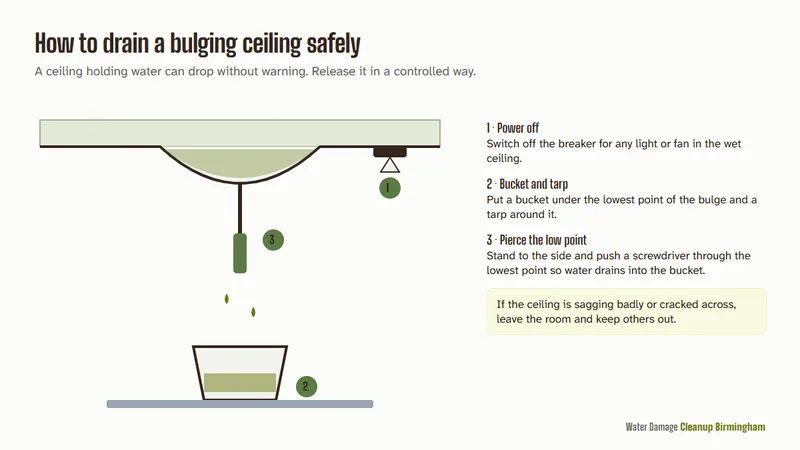
Who pays for which repair in a shared building is laid out in our guide for renters and condo owners. Stains, sagging drywall and soggy insulation overhead are covered on the ceiling water damage page. For offices, shops and other businesses, see the commercial water damage page.
How do you dry an old brick or plaster building near the railroad corridor?
With patience and meter readings. Thick masonry and plaster soak up water and release it slowly, so the surface can feel dry while the core is still wet. Ask the restoration team to take readings deep in walls and under floors, and to log them each visit until the numbers hold steady.
Much of downtown is old. Between 1902 and 1912, four large office buildings went up at 20th Street and 1st Avenue North, the spot nicknamed "The Heaviest Corner on Earth," Wikipedia says. Sloss Furnaces made pig iron from 1882 to 1971 on a strip the original plan set aside for railroads and industry, and its company built 48 cottages for workers near the furnace.
In any older building, water can ride along a beam or down a wall cavity and surface a long way from the pipe or roof drain that let it go. That is one more reason to trace the source before opening walls.
Birmingham summers are hot and humid, per Wikipedia, so air drying through an open window often adds moisture instead of removing it. Mold is the deadline here: the EPA asks for wet materials to be dry inside one to two days, and for indoor air to stay under 60 percent relative humidity, preferably between 30 and 50.
The structural drying page covers the equipment and readings, and the water damage repair page covers putting plaster, trim and floors back together.
How long does an Alabama insurer have to answer a downtown Birmingham claim?
Alabama sets early deadlines. Under the Alabama Department of Insurance claim standards, Ala. Admin. Code r. 482-1-125, the insurer must acknowledge your claim within 15 days unless it pays in that time. Within 30 days after it receives proper proofs of loss, or the period your policy sets, it must say whether the claim is accepted or denied.
A denial has to point to the specific policy provision, condition or exclusion behind it. If the company needs more time, it must give you the reasons within that 30-day window and then send an update 45 days later and every 45 days while the investigation stays open. The Alabama Department of Insurance takes complaints.
Where the water started usually settles whether the claim pays. The NAIC lists plumbing leaks and roof leaks as the typical covered cases and leaves out runoff and ground water. A rising creek needs separate flood insurance, and a drain backing up needs a backup endorsement, per Triple-I.
A new flood policy from the NFIP carries a 30-day waiting period, with limited exceptions, per FEMA. The insurance claims guide goes through the paperwork step by step.
What should you do first after water damage downtown?
Make the space safe, stop the water, and record what you see before cleanup starts. Then call your insurer and get drying underway. In an apartment or condo building, tell management early, because the shutoff for your line may sit in a mechanical room or another unit rather than inside your own door.
- Turn off the fixture valve or the main, or ask building staff to shut the riser that feeds your unit.
- Switch off power to wet rooms, but only if the breaker panel stands on dry floor.
- Take wide photos of each room and close shots of the source and every damaged item.
- Open a claim, then keep a running log of who you spoke with at the insurer and when.
- Before drying starts, ask the restoration team how it measures moisture and when it will recheck.
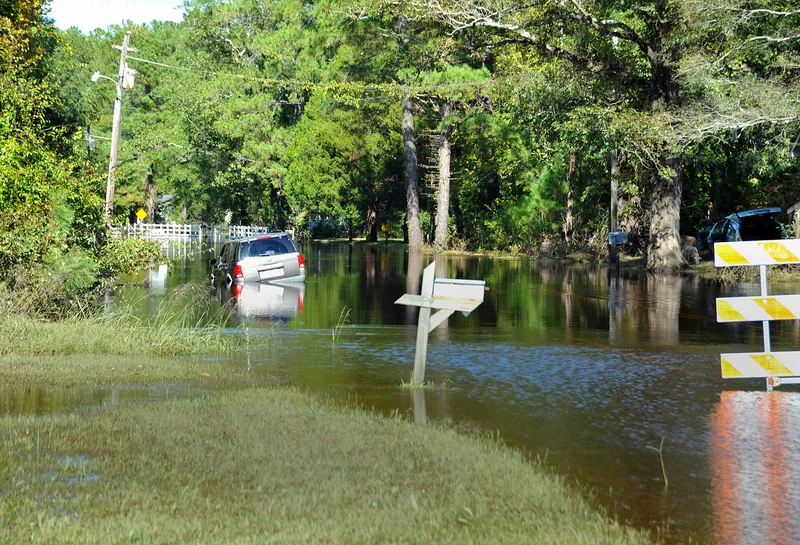

No restoration team covers every block or every kind of job, so ask about both up front. Our checklist for picking a restoration company has more questions, and the emergency water damage page covers the first hours after a leak.
Sources: Wikipedia on Birmingham, Alabama (2020 census, city plan, railroad reservation, early skyscrapers, Jones Valley creeks, climate), Red Mountain (ridge, ore mining, Redmont Park) and Sloss Furnaces (operating years, workers' cottages); National Weather Service gauge VALA1 (flood stages, impacts, crests); Ready.gov floods; IICRC S500; EPA mold and moisture guide; Ala. Admin. Code r. 482-1-125; Alabama Department of Insurance; NAIC homeowners insurance; Triple-I on covered disasters; FEMA NFIP manual.